Our Story
About Chapter 227
For more than four decades, the Dean K. Phillips Memorial Chapter has carried forward a commitment born from the experience of Vietnam veterans: to serve veterans and their families, honor those who served, and strengthen the community we share.
How It Began
In 1985, a small group of Vietnam veterans gathered at the Fort Myer NCO Club in Arlington, Virginia, to establish a local chapter of Vietnam Veterans of America.
They shared more than military service. They shared a determination that the experiences of Vietnam veterans would lead to something lasting — a commitment to fellowship, advocacy, remembrance and service to fellow veterans.
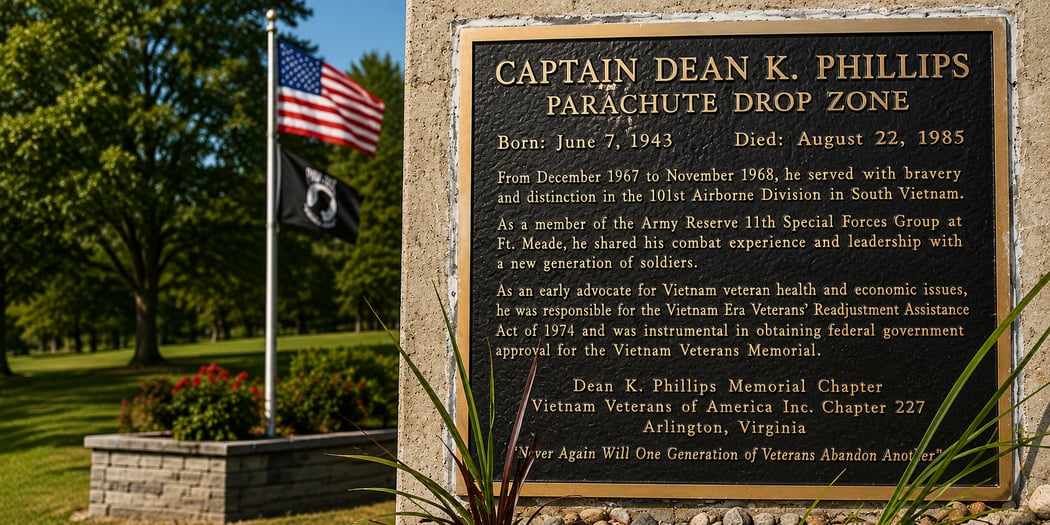
The new organization became the Dean K. Phillips Memorial Chapter, honoring a fellow Vietnam veteran whose life embodied that commitment to continued service.
The Man Behind Our Name
Captain Dean K. Phillips
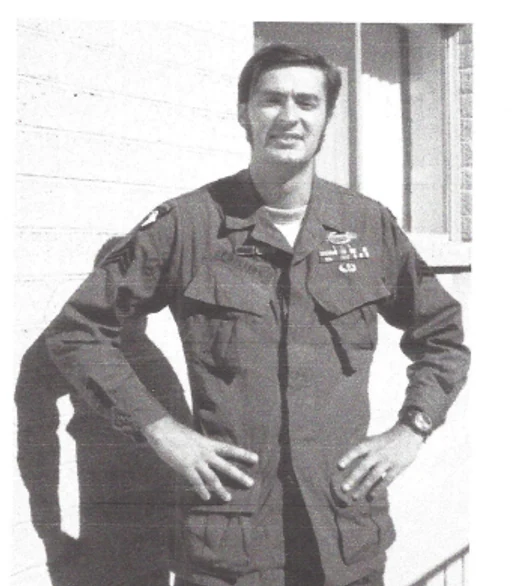
Dean K. Phillips served with the 101st Airborne Division in Vietnam, where he volunteered for dangerous assignments with a long-range reconnaissance platoon. His Vietnam service was recognized with two Silver Stars, two Bronze Stars, a Purple Heart, an Air Medal and an Army Commendation Medal.
But his commitment to veterans did not end when he returned home.
Phillips earned graduate and law degrees and became a determined advocate for veterans. His work took him from veterans issues in Colorado to Washington, where he served in the Veterans Administration, worked with veterans organizations and testified before Congress. He was also involved in the effort to establish the Vietnam Veterans Memorial.
Phillips later returned to uniform with the Army Reserve’s 11th Special Forces Group at Fort Meade, Maryland, where his leadership earned the respect of the soldiers with whom he served.
Dean Phillips died in 1985 at the age of 42. Chapter 227 carries his name not simply to remember him, but because his life represents a principle that remains at the heart of the Chapter:
Service does not end when military service ends.
A Legacy That Continues
Chapter 227 was created by Vietnam veterans, but the commitment they established reaches far beyond one generation.
Through veteran assistance, advocacy, fellowship, remembrance, community service and partnerships with other veteran-serving organizations, Chapter 227 continues to put the experience of veterans to work for veterans and families who need help.
The methods may evolve. The commitment does not.
A Community of Veterans
Chapter 227 is also a community. Our membership brings together men and women who served during the Vietnam era in the U.S. Army, Navy, Air Force, Marine Corps and Coast Guard, united by shared experience and a continuing commitment to veterans.
Women were a smaller part of the Vietnam-era force, but their service was no less important. Some served in Vietnam itself, including nurses and other medical personnel caring for the wounded under extraordinarily difficult conditions. Others served in military assignments throughout the United States and around the world at a time when opportunities for women in uniform were much more restricted than they are today.
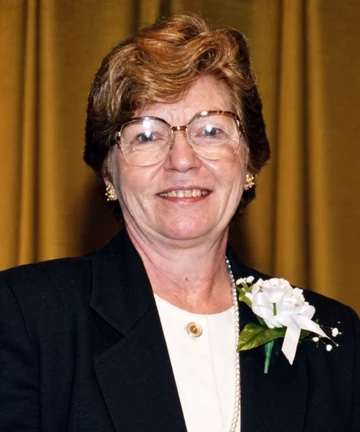
Their service also holds an important place in the history of Vietnam Veterans of America. Mary L. Stout, an Army nurse who served in Vietnam, was elected National President of VVA in 1987, becoming the first woman to lead a national veterans service organization. Chapter 227 is proud to count women Vietnam-era veterans among its members and honors their service alongside that of all who served.
Members come together regularly for Chapter meetings, fellowship, veteran-service activities and opportunities to remain connected with fellow veterans and the broader Northern Virginia veteran community.
That community also includes the Associates of Vietnam Veterans of America (AVVA). AVVA is a national, independent nonprofit veterans-support organization whose members include veterans of all eras, family members, friends and others who share a commitment to veterans and their families.
AVVA members affiliated with Chapter 227 work alongside Chapter members, supporting veterans and their families, Chapter activities, community service and fellowship. Together, VVA and AVVA broaden the community of people able to carry forward the principle that has guided Vietnam veterans for decades:
“Never again will one generation of veterans abandon another.”
Chapter 227 and AVVA Leadership
Chapter 227 is led by an all-volunteer Board of Directors, working alongside the Chapter’s AVVA representative. Together, they support Chapter activities, veterans and their families, fellowship, remembrance and continued service to the veteran community.
Chapter Officers
-
Jay Kalner
President / Director
-
Joseph Leonard “Len” Ignatowski
Vice President / Director
-
Charles “Chuck” Harris
Treasurer / Director
-
Robert “Bob” Tecklenburg
Secretary / Director
-
George Jones
Sergeant at Arms / Director
-
Bruce I. Waxman
Immediate Past President / Director
Directors
-
Ralph “Andy” Bender
Director
-
Tom Brown
Director
-
Thomas “Tom” Davis Jr.
Director
-
Donald “Don” F. Drunsic
Director
-
William D. “Bill” Dumsick
Director / Past President
-
Scott Hurley
Director
-
Michael “Mike” A. Kelly
Director
-
Gerald “Jerry” Krueger
Director
-
William “Bill” Lynch
Director / Membership
-
Marcia “Marcy” Neuendorf
Director
-
Robert “Bob” Pezold
Director
-
Donald “Don” Sutherland
Director
-
Norm Williamson
Director
AVVA Representative
-
Diane Ignatowski
AVVA Representative
Governance & Documents
The chapter’s by-laws and communications policies — for members, board candidates, or anyone interested in understanding how the chapter is governed and operates.
By-laws
The chapter’s by-laws were last ratified on 15 October 2020, signed by Jay Kalner as President. Earlier ratifications were signed by John P. Clark in May 1986 and Louis M. James in December 1993.
- Annual meeting
- Held in April. Officers and directors are elected at the annual meeting every two years.
- Board of directors
- No fewer than 3 and no more than 20, including the President, Vice President, Secretary and Treasurer. Terms run two years, with no limit on the number of terms.
- Board meetings
- At least four a year, and between one day and one month before the annual chapter meeting.
- Quorum
- Membership quorum is 5% of members, decisions by simple majority of those present. Board quorum is two-thirds of the whole board, rounded up.
- Notice periods
- 30 to 50 days for the annual meeting, at least 10 days for special meetings, at least 5 days for board meetings.
- Attendance
- A director absent from three consecutive board meetings without the board’s consent is considered resigned, as is a member not in good standing on dues.
- Presidential vacancy
- Filled by the Vice President for the unexpired term.
- Executive committee
- The four officers plus two additional directors selected by the board.
- Nominating committee
- Three members elected at the annual meeting, quorum of two, slate delivered one month before the annual meeting.
- Fidelity bond
- Check-signing officers must obtain one unless excused by the National Board.
- AVVA representation
- The elected AVVA representative sits on the board as a non-voting special advisor, entitled to be heard on all matters.
- Procedure
- Governed by Robert’s Rules of Order, latest revision.
- Amendments
- Require two-thirds of the chapter board present, then ratification at the next general membership meeting by two-thirds of those present.
Chapter Communications Policy
The chapter communicates with members, AVVA members and selected guests through three channels, each with its own rules.
-
The Journey
The chapter newsletter, published monthly except July and August — ten issues a year. The editor decides content, consulting the President as necessary. The newsletter is not a channel for members to express opinions on an issue.
-
The Minuteman Alert
Email announcements to members.
-
Membership Meetings
Chapter meetings provide members and AVVA members an opportunity to receive Chapter information, hear announcements, discuss Chapter business and raise matters for consideration.
What We Stand For
“To serve military veterans, their families, our community and our country.”
That purpose has guided Chapter 227 from its beginning. It continues to shape how we honor the past, serve veterans today and help ensure that the tradition of veterans helping veterans continues.